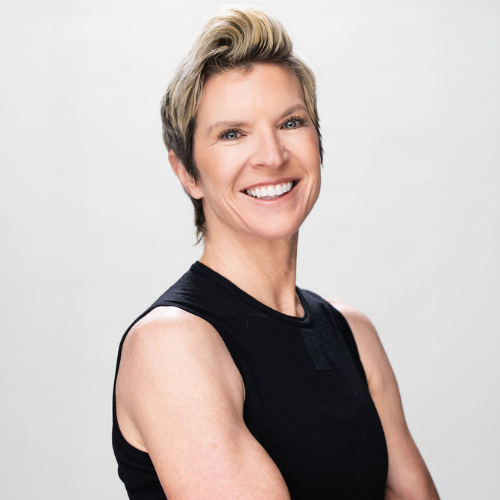
The Future of Fitness for Women Over 45, with Anna Renderer of Pop Sugar
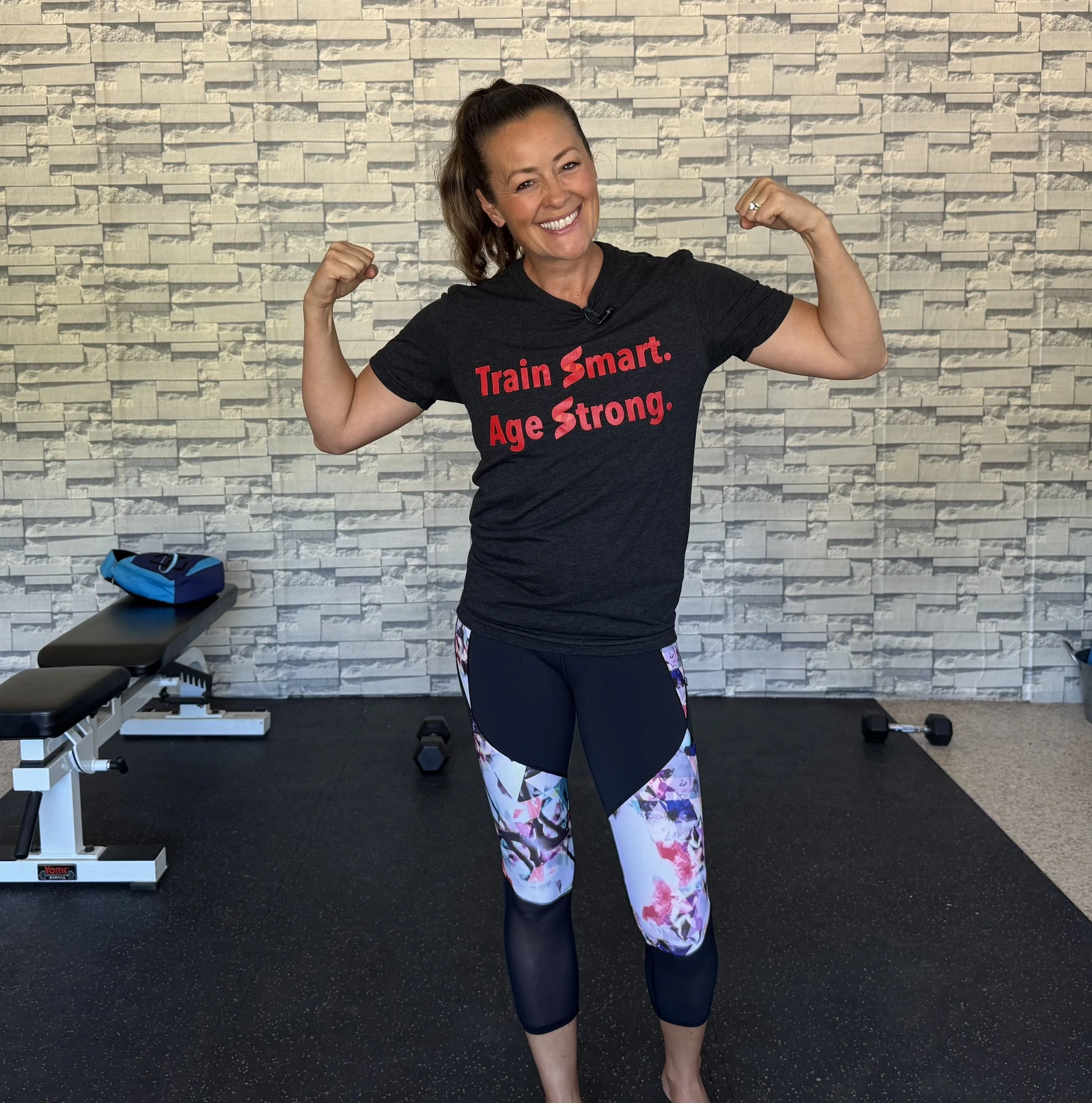
It feels full circle, having Anna in my world again. We knew each other years ago, but hadn’t been in touch in awhile. Recently we reconnected over something we were both experiencing: midlife—the physical, hormonal, and emotional changes that come with it.
I'd already been through the worst of it, which led me to discover BFR. When Anna and I got to talking, I walked her through the method and the science behind it. She got it immediately—and like me, couldn't believe nobody was talking about this for women. She wanted in. I've long known her as one of the best coaches in the industry, so it was an instant yes.
Anna Is the Real Deal
Anna has this genuine warmth that translates through the camera. I've watched trainers who think they're projecting positivity, but it doesn't come across on screen. With Anna, it does. She puts people at ease.
When we sat down to talk about this piece, I asked where that came from. She told me about her mother, who raised six kids and never made anything feel like pressure. It was always "good job, you're doing better"—never "you have to get it right." That language gets into you when you hear it enough as a kid.
But Anna isn't just charismatic—she's credentialed. She studied exercise physiology, considered becoming a cardiologist before pivoting to preventative health. She spent seven years at PopSugar creating body weight workouts designed to make fitness feel approachable for everybody. She calls herself "the overqualified personal trainer," and she's not wrong.
How Anna Came to Blood Flow Restriction
Anna experienced what so many women in our community go through: physical and hormonal body changes. Hers stemmed from pregnancy and labor related injuries. After her second baby, she developed severe diastasis recti and a hernia. Her joints hurt constantly. She didn't want to lift heavy because it didn't feel good anymore. When she focused on mobility work, she felt better but started losing muscle.
As a fitness professional, she was quicker to realize that she needed more help than before, because she knew it wasn't just her body failing. If someone with her background can hit that wall, imagine how the average woman feels.
She was stuck in that dilemma oft—I need to build muscle, but how?—when we reconnected and I introduced her to BFR.
What BFR Taught Anna About Working Out and About Life
Women need to be kinder to their bodies. The pressure is relentless—look great, be thin, bounce back from pregnancy immediately. Women internalize all of it, then push harder, eat less and beat themselves up when it doesn't work.
Anna puts it well: we go through seasons, sometimes weekly, because of our cycles. Some days you feel motivated and energized. Other days you don't. That's not something to fix—it's something to work with.
We agree on how to proceed: give yourself permission to be where you are. You're not who you were ten years ago. It doesn't matter if you were in the best shape of your life before your baby—you're where you are now. Let's work with that instead of punishing ourselves trying to get back to some old version.
What We're Building
Anna and I come from similar places. I was an elite athlete and have owned my gym for twenty years. She was a college athlete who came up through clinical exercise science. We both care about the research and physiology behind what we teach—but we also know how to make that science disappear, to translate it into language anyone can understand.
Our program reflects that. Two to three days of strength training a week. Everything else is flexible—walk, bike, stretch, rest. Enough structure to get results, enough wiggle room that you can hit your goals every week and feel like a winner.
Anna sees this as her next chapter: from the young trainer on PopSugar, to creating programs for new moms, to now helping women in midlife build muscle and feel strong. I feel the same way. This is just the beginning.